Choosing a Crew for Four-Player Turf Matches: Roles, Comms, and Corner Control
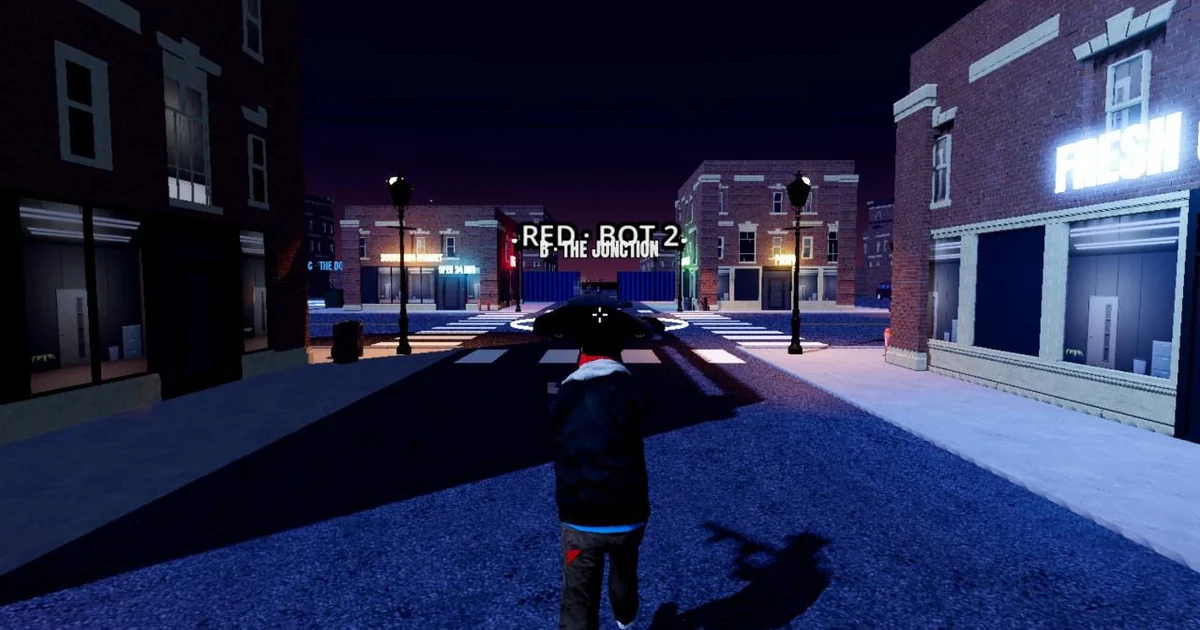
Four-versus-four turf wars reward groups that act as units rather than four separate shooters. When two crews fight over three corners, the team that moves together, shares information, and rotates before it is needed usually controls the tempo. This article covers how to think about crew composition, how to divide responsibilities without rigid scripts, and what questions to ask before committing to a regular squad. The ideas apply to most small-team shooters on Android, including Hood Warfare, which is a fictional 4v4 turf-war shooter distributed as an APK through hoodwarfare.net. The specifics of any game change between versions, so check the official site and release notes for current rules rather than relying on memory.
Start With the Corner Problem, Not the Loadout
Players new to team shooters often begin by arguing about which gun is best. In a turf-war format, a more useful starting question is which corner each player expects to hold and why. A match with three contested points means one point is always the weak link. If your crew cannot say who covers that point, the enemy will usually find it first.
Write down the three objectives in your match and label them with simple words your team already uses. Then assign a default owner for each. The default is not a prison; it is a starting position that makes rotations faster because everyone knows where a teammate should be when a fight breaks out elsewhere. Teams that skip this step tend to clump, which leaves two corners empty while the crew reacts to a single push.
Dividing Roles Without Rigid Scripts
Most stable crews end up with four loose roles even when they never name them. One player takes early pressure and accepts the risk of opening fights. One player watches the flank and calls movement. One player supports with utility and recovery items. One player floats between points and fills gaps. These roles can rotate between matches, but a match goes better when at least one person is clearly responsible for each job.
When matching roles to playstyle, ask a few direct questions. Who is comfortable being first into a corner and who prefers to hold from cover? Who tracks timers and resource decisions? Who forgets to check their flank? Honest answers are more valuable than flattering ones. A crew that knows its weaknesses can build around them, while a crew that pretends everyone is equally strong tends to lose the same fights repeatedly.
Communication Habits That Actually Help
Good communication in a fast shooter is short, specific, and early. Calling 'enemy near' after you have already lost a duel is less useful than calling 'two on the Junction, coming from the stairs' before the fight starts. Teach your crew a small vocabulary: corner names, numbers, direction, and whether you are pushing or holding. Shared shorthand reduces the time spent explaining and keeps attention on the match.
Also agree on when not to talk. Constant chatter during a rotation can drown out the one call that matters. Some crews use a rule that only information about enemy positions, requests for help, and resource needs get spoken aloud, while everything else is kept quiet. This sounds minor, but in a four-player fight it often decides who knows what at the critical moment.
A Pre-Match Checklist for Your Crew
Before you queue as a group, run through a short checklist. First, confirm that everyone is on the same build and that the installed APK matches the version your crew discusses, since builds can differ in balance and available modes. Check the official download page at hoodwarfare.net for the current listed version and requirements rather than trusting an old screenshot in chat. Second, agree on default corner owners and one backup for each. Third, set a simple signal for falling back, such as 'regroup at the Junction' when a push fails. Fourth, decide what each player does with shared resources like call-ins and recovery items, so two people do not spend the same resource on the same problem.
Finally, review after each match. Ask which corner was lost first, what the crew knew at that moment, and whether the information arrived in time. Short post-match notes are more useful than long debates. Over several sessions, these notes reveal patterns that no single match shows clearly.
Judging Whether Your Crew Is Working
A crew is working when it loses fights for understandable reasons and learns from them. It is not working when losses repeat for the same unexamined reason or when players keep blaming each other without changing habits. Track two or three simple measures: how often corners are left empty, how often a rotation arrives late, and how often information is shared before a fight rather than after. These measures are judgment aids, not guarantees, but they give your group a shared language for improvement.
Stay realistic about outcomes. Matches involve randomness, uneven skill, and changing game versions, so a well-run crew can still lose. The goal is to make losses instructive and wins repeatable. A group that treats its roles, calls, and checklists as living tools rather than fixed rules will adapt faster than one that memorizes a single strategy and hopes it keeps working.