Coordinating Your Squad Across Three Corners Without Losing the Thread
Four-player crew play changes a shooter from a series of individual duels into a coordinated contest over space. In a turf war where two crews fight over three corners, the difference between a team that holds ground and one that scatters usually comes down to communication habits and shared decisions made before anyone pulls a trigger. This article focuses on how a squad can organize itself, what to agree on before a match, and which questions to ask when the plan starts to fall apart. The ideas here are general methods for team play rather than claims about any particular feature or outcome.
Decide Roles Before the Match Starts
A four-player crew works best when each member knows what they are responsible for before the first round begins. Roles do not need to be rigid, but a loose division keeps the squad from clumping into one area. A common split is one player who pushes early to contest a corner, one who holds a flank or overwatch position, one who handles the rep economy by deciding when to spend on call-ins, and one who rotates between the two most active zones to answer pressure. The exact labels matter less than the agreement itself.
Talk through the split in a quick pre-match exchange. Ask who tends to take fights at close range, who is comfortable holding a long sightline, and who wants to be the one calling timing. A squad where everyone assumes someone else will watch the far side of a corner is a squad that loses that side repeatedly. Writing the plan down in one short sentence, such as 'I take Junction, you cover the Loading Dock approach,' removes ambiguity once the match is moving quickly.
Build a Short Callout Vocabulary
Callouts only help when everyone understands them the same way. Build a small vocabulary of short phrases for the things that happen most often: which corner is under pressure, how many enemies you can see, whether you are low on health, and whether you have spent or are saving rep. Avoid long descriptions during fights because they arrive too late to be useful. A phrase like 'Junction, three, left stairs' carries more information in less time than a full sentence.
Practice the vocabulary in a few low-stakes matches so that the words come out automatically. Agree on how you will signal that you are moving to a new position, since players who disappear from a corner without a word often leave a teammate exposed. Confirm that the squad uses the same names for each of the three corners, because confusion about which location is being discussed wastes seconds that matter.
Time Pushes Around Rep and Information
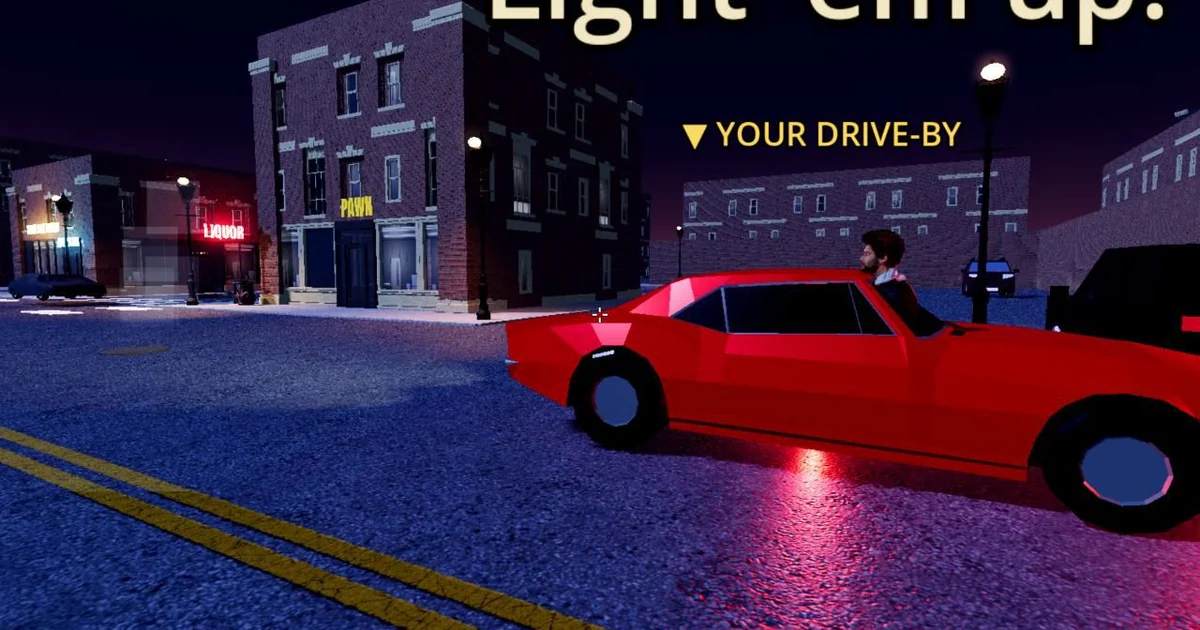
Rep is earned during a match and spent on call-ins, so a crew that treats it as a shared resource tends to make better decisions than one where each player spends it impulsively. Before committing to a push, ask whether the team has enough rep for the call-in that would help, and whether that call-in is more valuable now or in a later exchange. Snitch reveals enemies, which can turn a risky push into a planned one, while homies provide AI backup that can hold a position while teammates reposition. Drive-by is most useful when it converts an informational edge into a clean kill window.
Information is often more valuable than the call-in itself. If a teammate reports that the enemy has moved toward the Yard, that report should shape where the rest of the squad positions. Agree on a habit of sharing what each player sees, even when it seems obvious, because the teammate who cannot see that corner is relying on that report to adjust.
A Quick Checklist for Holding Corners
Before each match, confirm that the squad has a role split, shares the same corner names, and knows the callout phrases it intends to use. During the match, check each round whether the crew is still spread across the corners it intends to hold, whether anyone has drifted alone into an exposed spot, and whether rep is being spent with the team in mind. After a loss, review what information the squad was missing, which calls came too late, and whether the role split matched each player's comfort. These questions keep a crew improving without relying on luck. Treat each match as a chance to refine the shared plan rather than as a verdict on individual skill, and the team will usually find that coordination, not raw aim, is the easiest place to gain ground.